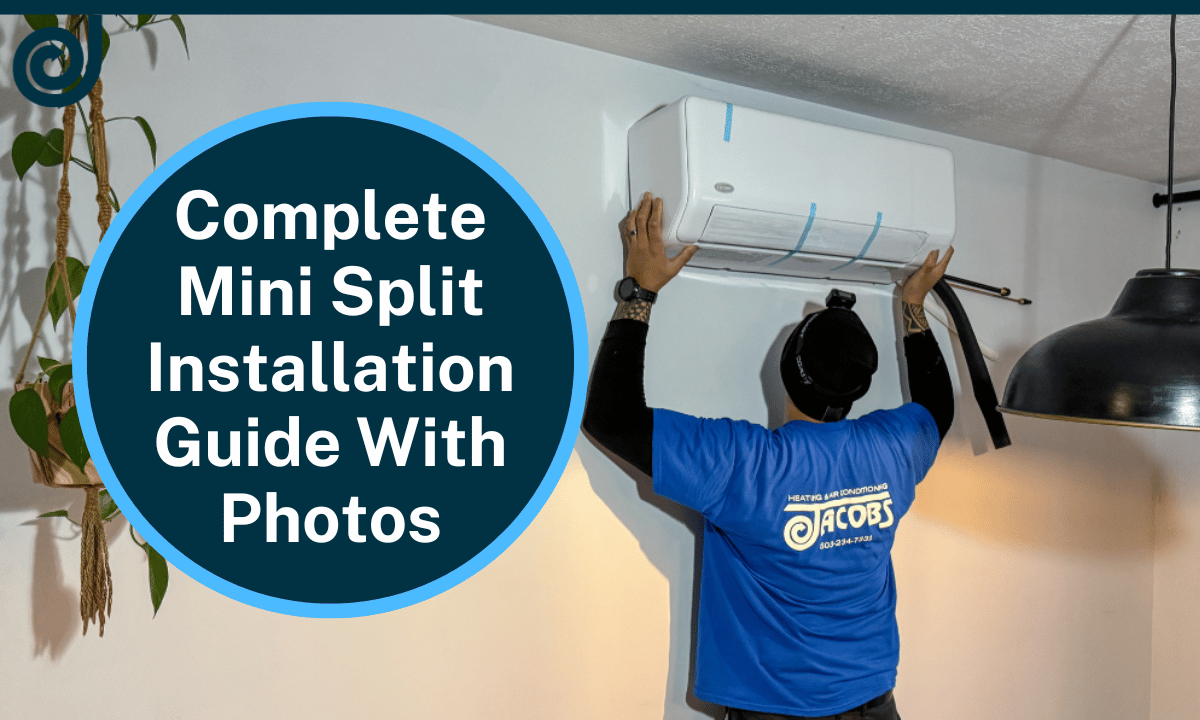
As summer heats up, air conditioning is a priority for many Portland homeowners seeking cool comfort when the outside gets toasty.
But how long does it take to install an AC unit? What do you need to do to prepare?
These are questions that homeowners frequently ask as they research installing or upgrading the AC system in their homes.
In this guide, we cover the AC installation process, including factors that influence installation time and other important considerations so you will know how to plan.
How an Air Conditioner Works
Knowing the basics of how an AC works will help you understand installation timing and how to ask questions of your HVAC technician.
Air conditioners extract heat from indoor air and expel it outside, making the indoor environment cooler. They achieve this through a refrigeration cycle that involves a compressor, condenser, evaporator, and refrigerant.
The magic happens with refrigerant. Refrigerants are chemicals with a superpower, allowing them to rapidly convert from a gas to a liquid as temperature and pressure change. In an AC unit, the refrigerant moves through a closed loop. As it travels, the refrigerant absorbs heat and moisture and then releases it outdoors, much like your refrigerator keeps food cool by taking heat from the inside and moving it outside the enclosed box – that warm air you feel blowing from under the fridge. This process is repeated continuously, effectively lowering the indoor temperature and maintaining a comfortable home climate.
Why a Well-Installed AC Unit is Essential for Home Comfort
A well-installed air conditioning unit is key for maintaining a comfortable living environment, so it shouldn’t be rushed. Proper installation ensures optimal performance, energy efficiency, and longevity of the AC unit. It can also prevent potential issues such as leaks, noise, and insufficient cooling.
Understanding the installation process and timeline can help homeowners make informed decisions and prepare.
Three Main Steps for AC Installation
The air conditioning replacement process typically involves three main steps:
- Pre-Installation Assessment: A professional technician evaluates your home’s cooling needs, checks the existing system, and recommends the right AC unit for efficiency and performance.
- Installation Itself: This step includes removing the old unit, setting up the new system, making necessary connections, and ensuring everything is securely in place.
- System Testing and Commissioning: To ensure your new AC unit operates efficiently, the system is thoroughly tested, calibrated, and adjustments are made for optimal performance and longevity.
How Long Does it Take to Install an AC Unit?
Once the initial assessment is complete, the next step is the installation. The timeline for an AC installation can vary, but it generally takes a day to a few days, depending on the complexity of the system. Here’s what you need to know about the next steps.
Understanding the AC Installation Process
The installation process for an AC unit involves several steps, each critical to ensuring the system functions correctly. The process typically includes:
- Removing the old unit (if applicable)
- Preparing the installation site
- Setting up the new unit
- Connecting the electrical and refrigerant lines
- Testing the system to ensure it operates correctly
For residential AC units, this entire process usually takes between 6 to 8 hours, depending on various factors. If you are installing ductwork, the AC installation process can take longer.
Factors Affecting Installation Time
Several elements can influence how long it takes to install an AC unit. These include:
- Type of Unit: Central AC systems generally take longer to install than ductless mini-split systems. Central units require more extensive ductwork and electrical connections.
- Single Stage vs. Variable Stage: Installing a variable-stage AC typically takes longer due to additional components and a more complex setup compared to a simpler single-stage system.
- Home Size: Larger homes may require more extensive ductwork and multiple units, extending the installation time.
- Existing Infrastructure: Homes with pre existing ductwork and electrical systems in good condition typically experience a faster installation process. Conversely, older homes may need upgrades that can increase the time.
Commercial vs. Residential Units
When comparing commercial and residential AC installations, it’s important to note that commercial AC unit installations are often more complex and time-consuming. Commercial HVAC systems usually need more powerful units, extensive ductwork, and compliance with specific building codes, which can significantly extend the installation time.
Key Considerations for Buyers
When planning for an AC unit installation, homeowners should consider several critical factors beyond just the time it takes. The most important is the type of AC unit best suited for your home and budget. Factors such as energy efficiency, size, and maintenance requirements should all be evaluated before purchasing a new AC unit.
Comparing Residential Units
- Central AC Units: Require extensive ductwork, ideal for whole-home cooling, and typically higher upfront installation costs.
- Mini-Splits: Ductless, providing flexibility for zoning specific areas, and generally easier and quicker to install.
- Hybrid AC/Furnace: This combination consists of an electric heat pump and gas furnace, which offers efficiency for both cooling and heating but involves more complex installation.
- Heat Pumps: Efficient for moderate climates, providing both heating and cooling, and can reduce energy bills, though less effective in extremely cold temperatures.
Hybrid Systems: Gas Furnace with Heat Pump
Hybrid systems combine the efficiency of heat pumps with the reliability of gas furnaces, providing year-round comfort while optimizing energy use and minimizing environmental impact.
What Are Hybrid Systems?
Hybrid systems, which combine a gas furnace with a heat pump, offer an efficient solution for both heating and cooling. These systems switch between electricity (used by the heat pump) and gas (used by the furnace) based on the outdoor temperature, optimizing energy use and reducing costs.
Installation Process and Timeline
Installing a hybrid system is somewhat more involved than installing a traditional AC unit. It requires setting up both the heat pump and the furnace and ensuring they can switch seamlessly between modes. Depending on the home’s current setup, this process can take anywhere from 6 to 12 hours. However, the benefits of a hybrid system, including improved efficiency and cost savings, often justify the longer installation time.
Preparing for AC Installation
Homeowners can prepare for AC installation by first scheduling a professional assessment of their home’s cooling needs.
- Clear the installation area, ensuring easy access for technicians.
- Secure pets and children away from the workspace for safety.
- Confirm that necessary permits are obtained and review the installation plan with the contractor to address any concerns beforehand.
These steps ensure a smooth installation process and optimal new system performance.
Potential HVAC System Upgrades
During the installation of an AC unit, technicians may recommend additional upgrades that can improve the overall HVAC system’s performance and efficiency. These can include:
- Thermostat Upgrades: Modern smart thermostats offer better energy management and convenience.
- Air Duct Cleaning: Ensuring existing ducts are clean will improve air quality and system efficiency.
- Insulation Improvements: Better insulation can help maintain desired temperatures more efficiently, reducing energy costs.
Understanding these recommendations and their benefits can help you make informed decisions that enhance your HVAC system’s functionality and longevity.
Air Conditioning Installation in Portland
Installing an AC unit is important because it directly impacts your home’s comfort and energy efficiency. Deciding what kind of HVAC system you want to live with for the next 15 to 20 years can feel daunting.
Jacobs Heating & Air Conditioning experts are here to guide you through the process and help you pick the right system for your home. Our consultants will help evaluate your home to ensure you have a long-lasting system that will keep you comfortable in all seasons.
Once your new AC unit is installed, our maintenance plans keep your system running like clockwork without any stress or hassle. No matter what you need, we’re always just a phone call away.