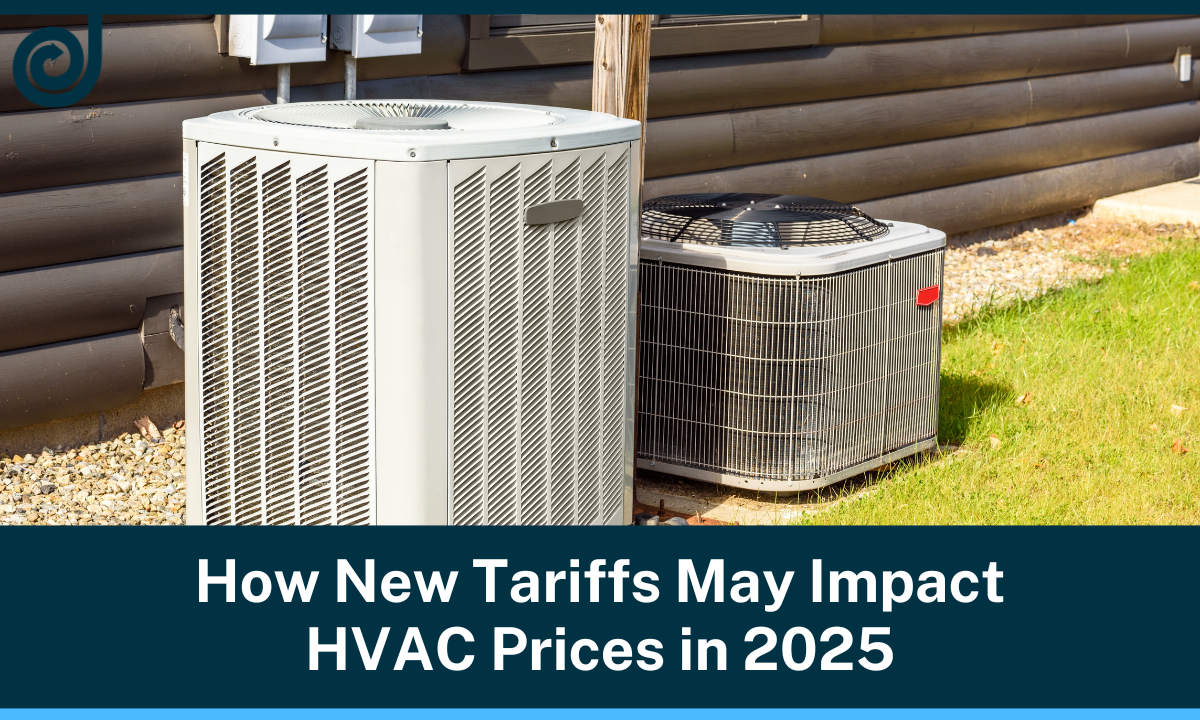
Tariffs are a hot topic right now, so let’s dive into how tariffs can affect HVAC prices as the details unfold. This information is relevant and accurate as of May 2025, but things are constantly changing both at the national and foreign tariff levels. In 2025, the HVAC industry is facing a perfect storm of challenges that could drive up the cost of heating and cooling systems. New tariffs, rising refrigerant costs, and ongoing supply chain delays are all putting pressure on prices. Here’s what you need to know about how these changes could impact HVAC costs—and why now might be the smartest time to replace or repair your HVAC system before prices rise further.
What Are the New Tariffs and What Products Do They Affect?
New tariffs introduced this year target a wide range of imported goods, many of which are critical to HVAC manufacturing. Here’s a closer look:
Key Products Affected by Tariffs
- Aluminum: Widely used in air conditioning units, heat exchangers, and ductwork.
- Steel: Essential for manufacturing furnace components and structural parts.
- HVAC Components: Compressors, motors, circuit boards, and sensors are also impacted.
- Ductless Systems: Largely sourced from China, these systems are particularly vulnerable to tariff-related price increases.
While tariffs have touched nearly every corner of the HVAC industry—including sheet metal for custom ductwork, parts, and equipment—the good news is that the consumer-level impact isn’t as steep as the headline numbers suggest.
Realistic Price Increases:
- Traditional Systems (standard AC units, heat pumps, and furnaces): No more than a 6% price increase is expected, but things are still up in the air and dependent on a variety of ongoing factors.
- Ductless Systems: No more than a 6% increase in the short term, with potential for further rises (or reductions) due to reliance on Chinese manufacturing.
How New Tariffs and Other Factors Could Lead to Higher HVAC Prices
While tariffs alone are modest at the consumer level, they are adding to an already significant trend of rising costs.
Price Increases Across the HVAC System
- Air Conditioning Units and Heat Pumps: Equipment using refrigerants has already seen upwards of a 20% increase over last year’s models due to refrigerant changes—before tariffs even hit.
- Furnaces and Parts and Components:Prices rose earlier this year, prior to the latest tariff news.
Refrigerant Costs: The Hidden Factor
The most dramatic price hikes aren’t from tariffs at all, but from the industry-wide refrigerant transition. The transition matters because:
- The switch from R-410A to newer refrigerants like R-454B (mandated for 2025) has caused major industry disruption.
- A jug and valve shortage has caused suppliers like Honeywell to announce a 42% increase in refrigerant costs.
- As manufacturers introduce systems compatible with new refrigerants, older systems and parts may be phased out, increasing demand for new units that meet current standards.
- Distributors and dealers, including Jacobs Heating & Air Conditioning, are stocking up to secure supply, but shortages mean costs are rising rapidly.
Supply Chain Delays and Limited Availability
Beyond price increases, supply chain issues could make it harder to find the HVAC equipment or parts you need:
- Shipping Delays: Increased paperwork and inspections at customs slow down imports.
- Limited Inventory: mandated refrigerant transition, coupled with unexpected tariffs, are creating a slightly more limited or constrained equipment supply.
- Longer Lead Times: Currently, there’s about a 10–12 week delay from order to fulfillment on some key refrigerants and parts.
Products most likely to be impacted:
- Ductless Systems: Especially vulnerable due to Chinese manufacturing.
- Specialty Parts and Coils: Longer wait times could mean delayed repairs or installations.
Why Now Might Be the Best Time to Replace or Repair Your HVAC System
Given the concerns of rising costs and potential delays, now could be the best time to act and replace or repair your HVAC system:
Advantages of Acting Now
- Avoid Future Price Increases: Replacing your system before tariffs and refrigerant shortages drive prices even higher could save you hundreds—or even thousands—of dollars.
- Ensure Availability: Lock in your equipment now before inventory tightens.
- Prevent Installation Delays: Beat the rush before longer lead times become the norm.
Consider Replacing Older Units
If your HVAC system is nearing the end of its life, it may cost more to repair it in the coming months than to replace it today. Securing a new system now could avoid higher parts prices, supply shortages, and costly emergency repairs.
How Energy Efficiency Helps Offset Higher HVAC Costs
If you are thinking about replacing your HVAC system now or in the next few years, it is worth considering a high-efficiency system now and reaping the benefits in the future.
Lower Monthly Energy Bills
- High-efficiency systems (like those with higher SEER2 ratings or Energy Star certifications) use less energy to heat or cool your home compared to older or less efficient models.
- Homeowners can typically save 20% to 40% on their heating and cooling energy costs, depending on how efficient the new system is compared to the old one.
Example: If your current HVAC system costs you $200/month to run, switching to a high-efficiency model could reduce it to $120–$160/month — saving $480–$960 per year.
Potential Utility Rebates and Tax Credits
- Many local utilities and government programs offer rebates or tax credits for installing high-efficiency HVAC systems, which can reduce the initial cost significantly.
- In 2025, the Inflation Reduction Act still offers credits for energy-efficient home improvements — up to $2,000 for installing qualifying heat pumps and HVAC upgrades.
Reduced Repair Costs
- New systems are not just more efficient – they’re also less prone to breakdowns early on.
- High-efficiency units are often built with better materials and technology, resulting in lower maintenance costs and fewer emergency repairs over the first 10–15 years.
Increased Home Value
- Installing a high-efficiency system can increase your home’s resale value because buyers appreciate lower utility bills and modern, eco-friendly systems.
- It also makes your home more marketable if you ever decide to sell, especially in environmentally conscious areas like Portland/Vancouver.
Longer Lifespan
- Energy-efficient HVAC systems often have longer service lives if properly maintained, meaning you delay the need for expensive system replacements later on.
HVAC Systems are Long-Term Investments
Even if upfront costs are higher because of tariffs and refrigerant transitions, energy savings, rebates, and lower maintenance costs can pay you back — and often come out ahead over the system’s lifespan (typically 15–20 years).
It’s smart to view a new high-efficiency HVAC system not just as an expense, but as a long-term investment that actively saves you money year after year.
How Jacobs Heating & Air Conditioning Can Help You Navigate These Changes
At Jacobs Heating & Air Conditioning, we’re staying ahead of industry changes to help our customers minimize costs and maximize comfort:
Locally Owned Expert Guidance
We live here and are rooted in our community, so we know what our Portland customers need.
- We help you understand the impact of tariffs, refrigerant changes, and supply chain challenges on your options.
- We offer clear, honest advice to help you make the best long-term decision for your home or business.
Timely Repairs and Replacements
- Our team can prioritize urgent repairs and plan system replacements around current availability.
- We’ll help you select an energy-efficient, future-ready system before prices rise further.
Custom Solutions
- Whether residential or commercial, we tailor every solution to your specific needs and budget.
Flexible Financing
- To help offset rising costs, Jacobs Heating offers financing options to make upgrades more affordable.
The Long-Term Impact on HVAC Pricing and Availability
The effects of tariffs, refrigerant transitions, and supply chain disruptions won’t disappear anytime soon:
- Sustained Price Increases: Once prices rise, they rarely fall back to previous levels.
- Industry Shifts: Manufacturers may diversify their supply chains over time, but it could take years to stabilize.
In short, acting sooner rather than later can help you avoid being caught in a long-term cycle of higher prices and longer wait times.
What You Should Do Next
The combination of tariffs, refrigerant shortages, and supply chain issues makes 2025 a critical year for HVAC decisions. Whether you’re facing an aging system or just considering an upgrade, here’s what to do now:
- Evaluate Your Current System: If your HVAC unit is more than 10 years old or needs frequent repairs, it’s time to consider replacement.
- Get a Quote Early: Price increases are already happening—and they’re expected to continue.
- Consult with Jacobs Heating & Air Conditioning: We’re ready to help you navigate this complex landscape with expert advice, customized solutions, and transparent pricing.
Jacobs Heating & Air Conditioning: Your Partner in Navigating HVAC Changes
With over 70 years as a locally owned family business, Jacobs Heating & Air Conditioning is ready to help you stay ahead of the changes reshaping the HVAC world.
If you know it’s time for an HVAC upgrade or you want to replace your current system with a high-efficiency one, give us a call for a quote. We offer a variety of flexible financing options and we’ll walk you through the process of how to pay for your new system.
Avoid extra costs and fewer repairs by scheduling a tune-up for your existing system before issues arise. Our maintenance plans keep your system running like clockwork without any stress or hassle. No matter what you need, we’re always just a phone call away.


